1-888-464-6772 inspections@insparisk.com Contact Command Network

Gas Line Testing & Piping Inspections

Pressure tests, leak checks and condition inspections of building gas piping, performed by licensed plumbers and coordinated with your code official and gas utility. We handle the paperwork, so your gas stays on or comes back on fast.

✓
Licensed Plumbers
✓
Utility & Code Official Coordination
✓
Written Report

Get Your Quote in 24 Hours

🛡️ Protected by our Price Beat Guarantee

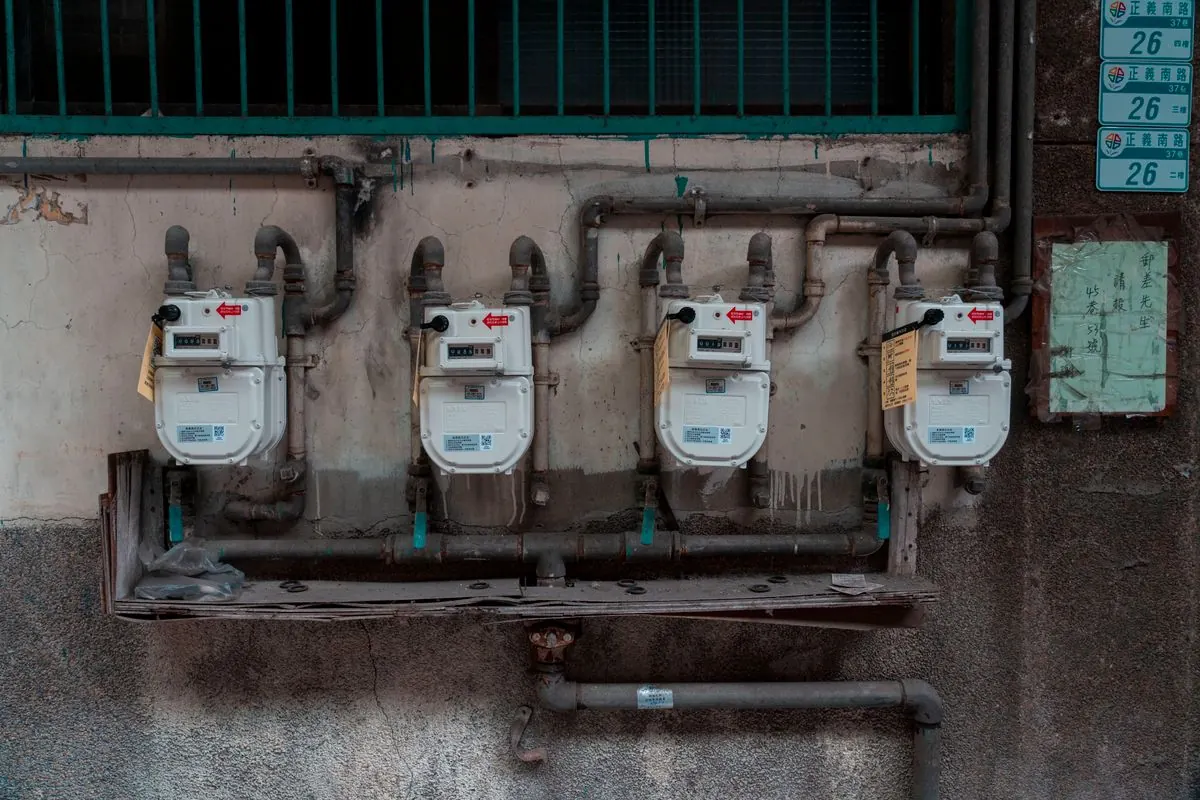
Building gas meters and service piping
Gas piping rules depend on where your building is. New York City is the only US jurisdiction we know of that requires periodic inspections of existing gas piping (Local Law 152, every four years). Everywhere else, testing is required when piping is repaired or altered, before gas is restored, or when the code official orders it. NYC owners: LL152 gas piping inspections →

When Gas Piping Testing Is Required

Most buildings need a gas test at some point. These are the situations that trigger one.

🔧

After Repairs or Alterations

The model fuel gas codes (IFGC Section 406 and NFPA 54 Chapter 8) require new, repaired or altered piping to be pressure tested before it goes back into service. Your code official may need to witness the test.

🔥

Before Gas Is Restored

When a utility shuts off gas for a leak or a long outage, the system must be leak checked when service is restored, and many cities require a permit and a witnessed test first. We coordinate the plumber, the witness and the utility release.

🗽

Periodic Inspections in NYC

New York City's Local Law 152 requires most buildings to have exposed gas piping inspected at least every four years by a Licensed Master Plumber, with filings to the Department of Buildings. LL152 details

📋

Voluntary Condition Surveys

Gas utilities are required to tell customers that customer-owned buried piping should be periodically inspected for leaks and corrosion. Owners also order surveys for insurance, acquisitions and portfolio risk reviews.

What the Codes Require

Most states and cities adopt the International Fuel Gas Code or NFPA 54, often with local amendments. Your code official and gas utility set the final requirements.

🔥 Gas Piping Testing Requirements

Pressure Test After Work IFGC Sec. 406, NFPA 54 Ch. 8
Minimum Test Pressure 1.5x working pressure, at least 3 psig
Leak Check When Gas Is Restored Required (IFGC Sec. 406.6.3)
Periodic Inspections NYC only (LL152, every 4 years)
Who Performs Licensed plumber or gas fitter
Who Witnesses Code official or utility, where required

Our Testing Process

1

Scope

Tell us why you need the test: a repair, a shutoff, LL152 or a survey. We confirm what your jurisdiction requires.

2

Test

A licensed plumber or gas fitter performs the pressure test or leak inspection to code.

3

Coordinate

Where required, we handle the permit, the code official's witness and the utility's release.

4

Report

You receive a written report with results, photos and any repairs needed, plus filings where required.

Frequently Asked Questions

Is gas line testing required where my building is? +
If your building is in New York City, yes: Local Law 152 requires most buildings to have their gas piping inspected at least every four years. Outside New York City we are not aware of any US jurisdiction that requires recurring inspections of existing building gas piping. Everywhere, codes require testing when piping is repaired or altered, when gas is turned back on after a shutoff, and when the code official orders it. Send us the address and we will confirm what applies.
My gas was shut off. What has to happen before it comes back on? +
Usually a licensed plumber or gas fitter finds and repairs the leak, the repaired piping is pressure tested, and the system is leak checked when gas is restored. Many cities also require a permit and a witnessed test or inspection before the utility will turn service back on. We handle the testing and coordinate the permit, the witness and the utility release so your tenants get gas back as quickly as possible.
What is the difference between a pressure test and a leak inspection? +
A pressure test isolates the piping and holds it at a test pressure for a set time to prove it is tight. The model fuel gas code calls for at least 1.5 times working pressure and never less than 3 psig, held for at least 10 minutes on small systems and longer on larger ones. It is used after new work or repairs. A leak inspection checks a system that is in service: a visual examination of exposed piping plus a check with a combustible gas detector. New York City's LL152 periodic inspections are this second kind.
Who performs the testing? +
A licensed plumber or gas fitter, as your state or city requires. In New York City, LL152 inspections must be performed by a Licensed Master Plumber or someone working under one. Where a code official or the utility must witness the test, we schedule that too.
Is it worth inspecting gas piping if it is not required? +
For older buildings, often yes. Federal pipeline rules require gas utilities to tell customers that the utility does not maintain customer-owned buried piping and that it should be periodically inspected for leaks and corrosion. Owners also commission surveys for insurance, acquisitions and portfolio risk reviews. A clean report is cheap insurance against an emergency shutoff.

Need Your Gas Piping Tested?

Get a free quote in 24 hours. Emergency restoration scheduling available.

Get Your Free Quote 📞 1-888-464-6772