1-888-464-6772 inspections@insparisk.com Contact Command Network

Backflow Prevention Testing

Protect your water supply and stay compliant with your water utility's cross-connection control program. Our certified testers handle everything from testing to filing results, so your building meets its annual testing requirements.

✓
Certified Testers
✓
Same-Day Service
✓
Filing Included

Get Your Quote in 24 Hours

🛡️ Protected by our Price Beat Guarantee

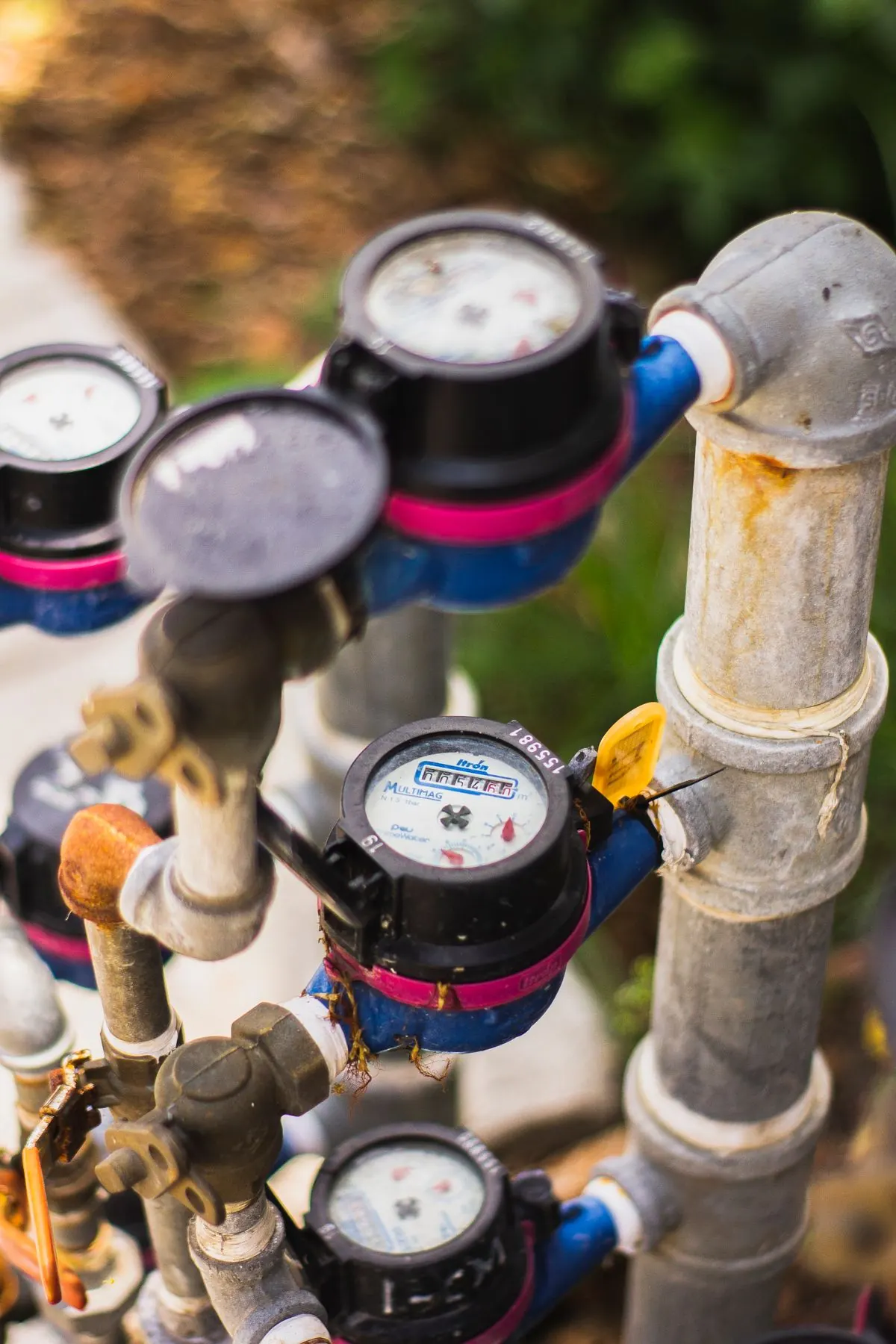
Water meters and backflow assemblies connected by piping
Backflow rules are set by your state and local water purveyor. This page describes typical requirements, and Insparisk performs backflow testing nationwide. In New York City, where DEP runs the program: NYC backflow testing. See requirements for your area →

Why Backflow Testing Matters

Backflow preventers protect your potable water supply from contamination. Annual testing ensures they're working properly.

💧

Protect Your Water Supply

Backflow preventers stop contaminated water from flowing backward into your clean water supply. A failed device can allow chemicals, bacteria, or other hazardous substances into your building's drinking water.

📋

Meet Water Utility Requirements

State drinking-water rules and local water purveyors require backflow prevention assemblies to be tested at least annually by a certified tester, with results reported to the water utility. Non-compliance can result in violations and potential water service interruption.

⚠️

Avoid Costly Violations

Failing to test or file can result in violations and fines from your water purveyor. Severe non-compliance can lead to water service being shut off until the issue is resolved.

🔧

Identify Failing Devices

Annual testing catches devices before they fail completely. Early detection allows for repair or replacement before a contamination event occurs.

Typical Backflow Testing Requirements

In New York City, DEP runs the cross-connection control program and requires annual testing, with results filed with DEP. See NYC backflow requirements.

💧 Backflow Prevention Testing Requirements

Testing Frequency At least annually
Filing Deadline Set by your water purveyor
Tester Certification Varies by state (ASSE 5110 common)
Applies To Properties with testable assemblies
Regulating Body State program and local water purveyor
Penalty for Non-Compliance Violations + potential shutoff

Our Testing Process

1

Schedule

Book online or call. We'll work with your building schedule to minimize disruption.

2

Test

Our certified tester inspects and tests each device using the procedures your jurisdiction requires.

3

Report

Receive detailed test results including pass/fail status and any recommended repairs.

4

File

We submit test results to your water utility or purveyor on your behalf.

Frequently Asked Questions

How often do backflow preventers need to be tested? +
Backflow prevention assemblies are tested at least once a year by a certified tester under your state and local water purveyor's cross-connection control program. The purveyor sets the reporting deadline. In New York City, DEP requires annual testing, with results submitted within 30 days of the test date.
What happens if my device fails the test? +
If a device fails, it will need to be repaired or replaced. We can coordinate repairs and schedule a re-test. Failed devices should be addressed promptly to maintain compliance and protect your water supply.
How long does testing take? +
Testing typically takes 15-30 minutes per device, depending on the type and accessibility. We can test multiple devices in a single visit.
Do you handle filing the test results? +
Yes, filing is included with our testing service. We submit results to your water utility or purveyor in the format it requires and provide you with confirmation of filing.

Ready to Schedule Your Backflow Test?

Get a free quote in 24 hours. Same-day scheduling available.

Get Your Free Quote 📞 1-888-464-6772

Compare Your Options

Backflow testing is annual, required, and easy to misroute

Most building owners assume their plumbing vendor or maintenance contractor handles backflow testing along with everything else. These comparisons help you decide whether to use your existing vendor or an independent backflow tester, and how to structure the function across multi-building portfolios.

Independent Inspector vs Your Maintenance Company →

When your maintenance vendor offers backflow testing, the conflict of interest framework still applies. Here's how to think about it.

Outsourced vs In-House Compliance →

For portfolio owners with backflow obligations across many buildings, here's how outsourcing compares to building an internal compliance team.